At 54, I Realized My Joint Discomfort Deserved More Than Another Quick Fix
A first-person story about the little frustrations of everyday stiffness, the internet research that led to Balmorex Pro, and why realistic expectations matter.
The Saturday Morning That Made Me Pay Attention
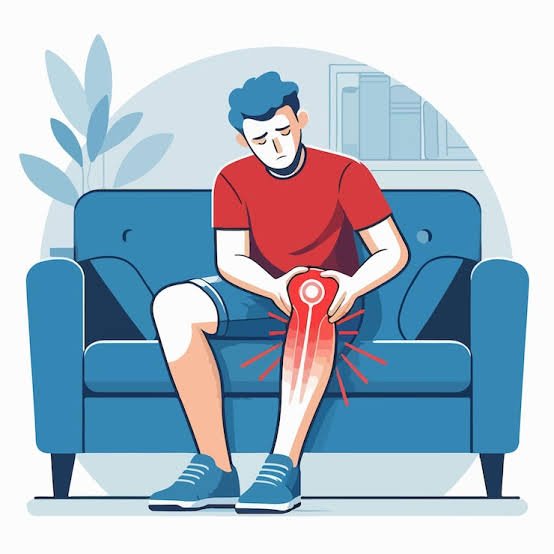
My name is Daniel, and in this illustrative story I am 54 years old. I used to think of an ordinary Saturday as a small gift: coffee before everyone woke up, a few minutes outside, and enough time to take care of the little things around the house. I never needed those mornings to be exciting. I just liked being able to move from one task to the next without planning every step. Over time, though, I began to notice that my knees and hands sometimes felt stiff after sitting for a long stretch. I was not suddenly unable to do things, but I was far more aware of every movement than I had been in my thirties and forties. The day that made me pay attention was surprisingly ordinary. I stood up from the kitchen chair, paused, and realized how much I had started anticipating discomfort before I even moved. It was time to take that feeling seriously rather than joke about getting older.
When Small Everyday Tasks Started Feeling Bigger
The change was not dramatic enough to make a good movie scene. There was no single moment when everything stopped. Instead, it was the small negotiations that bothered me: whether to carry both grocery bags at once, how long to kneel while working in the garden, and whether a long walk after dinner sounded pleasant or exhausting. Some afternoons were fine. Other afternoons reminded me that joints and muscles can feel different from one day to the next. I caught myself making quiet adjustments that nobody else would notice. I left a heavy box for another day. I sat down to pull on my shoes. I began timing household chores around when I generally felt most comfortable. My family did not make a big issue of it, but I could tell my mood changed when I felt less mobile. I missed having the simple confidence that my body would cooperate with whatever ordinary plan came next.
Why I Did Not Want to Jump to Conclusions
At first I was tempted to give my stiffness a name after reading a few search results. That would have been a mistake. The internet contains plenty of confident explanations for symptoms that can have many different causes. In this story I make an appointment with a healthcare professional rather than attempting to diagnose myself. We talk about how symptoms began, the activities that seem to make them worse, and why persistent or worsening pain deserves an evaluation. I learn that exercise habits, previous injuries, sleep, medication use, and medical history can all matter. A cream may be one small comfort measure, but it does not replace an examination, a diagnosis, or treatment when one is needed. I leave the conversation with a much more sensible goal: pay attention to my body, keep movement manageable, and assess any product realistically instead of expecting a miracle from a jar.
A More Thoughtful Routine, One Day at a Time
I start by changing the things I actually control. I take short walking breaks when I have been sitting for a while. I warm up before doing strenuous chores. I avoid treating a good day as permission to overdo everything at once. I also try to sleep on a more consistent schedule, because a tired morning makes any annoyance feel bigger. These steps sound unremarkable, and that is exactly the point. Feeling more comfortable in daily life is often less about one dramatic discovery and more about creating a routine that is realistic enough to repeat. I keep a small notebook about activities and how my joints feel afterward. I do not turn it into an obsession or a scorecard. It simply helps me have a clearer conversation with my clinician and make decisions based on observations rather than advertisements. After a few weeks, the habit itself gives me a sense of direction.
The Evening I Searched for Joint Comfort Products
One evening I am online looking for practical information about managing ordinary aches. I find articles about staying active, pacing activities, and understanding what over-the-counter and topical products can and cannot do. Mixed into those results are advertisements and reviews for creams. Some pages make promises that sound too perfect, as if one application can reverse years of wear and tear. That style of marketing makes me cautious. I start asking basic questions instead: What exactly is this product? Is it swallowed or applied to the skin? Which ingredients are named publicly? Are the instructions clear? Who sells it? What happens if I experience irritation? And where can I check the actual price and current return policy? I realize that these questions are more useful than simply searching for the most exciting testimonial.
How I Came Across Balmorex Pro
During that research I notice Balmorex Pro, a topical cream marketed for joint, back, and muscle comfort. The brand's sales materials describe a blend that includes ingredients such as MSM, arnica oil, hemp seed oil, aloe vera, and other botanical or skin-conditioning ingredients. That gets my attention because I prefer to understand what a product claims to contain before considering it. But I do not confuse a recognizable ingredient name with proof of a meaningful clinical outcome. A formula can contain familiar ingredients while still having limited evidence for the finished product as a whole. I also know that skin comfort and relief from a diagnosed joint disease are very different claims. What interests me about Balmorex Pro at this stage is simply its format: an external-use cream that could be evaluated as a possible addition to a broader comfort routine.
Reading Past the Headline
The first thing I do is ignore the loudest headline and look for specifics. Is the item presented as a cream rather than a supplement? Yes. Are the marketing claims broader than the evidence available to me? In several cases, yes. Does that automatically mean it is the wrong product for everyone? No, but it means I should proceed carefully. I read the product information and look for directions, cautions, and contact details from the seller. I make a note to review the full ingredient list on the actual package rather than relying on summary pages. I also remind myself that natural ingredients can still cause skin reactions. Something derived from a plant is not automatically harmless, and it should never be applied to broken or irritated skin unless the product labeling specifically allows it. That practical caution matters more to me than any flashy percentage or exaggerated endorsement.
What I Learned About Topical Creams
Before deciding whether a cream belongs in my routine, I make sure I understand the category. A topical cream is used on the skin. Depending on its formulation and active ingredients, a product may moisturize, create a warming or cooling sensation, or have specific labeled drug uses. Those possibilities are not interchangeable, and they are not guarantees for every formula. A pleasant sensation on the surface does not show that damaged cartilage has been repaired or that an underlying inflammatory condition is cured. For me, the reasonable question is much narrower: would this be a comfortable product to apply as instructed, without irritating my skin, and might I enjoy the experience of using it? That answer will depend on the real label, my own sensitivity, and the advice I have received about my joints. Keeping my expectations narrow protects me from disappointment and from overlooking symptoms that need real medical attention.
The Conversation I Had Before Trying Anything New
Because I already have concerns about recurring joint discomfort, I check with my clinician before adding a new topical product. I explain what I have read about Balmorex Pro and ask whether any ingredients would be an issue given my health history. The conversation is reassuring precisely because it is not a sales pitch. We discuss warning signs, appropriate activity, and the importance of not delaying care when swelling, redness, fever, serious injury, or severe pain appears. We also talk about the difference between a product intended for comfort and a medication with a particular approved indication. No one promises that a cream will fix everything. Instead, I leave with a useful framework: follow the actual package directions, discontinue use if irritation occurs, and treat a topical product as optional rather than the foundation of my joint-health plan.
Making Room for Realistic Expectations
I keep thinking about why health advertisements are so tempting when you are frustrated. They offer an uncomplicated story: a person struggles, discovers one secret, and suddenly gets their old life back. Real bodies rarely cooperate with such tidy plots. Some days I am comfortable and energetic, and other days I need to adjust my plans. That variation is part of the reason I avoid turning a single pleasant afternoon into proof of a product's effectiveness. If I eventually choose to use a cream, I want to be able to judge the experience with a clear head. Does the texture feel pleasant? Is the smell agreeable? Does it leave residue on clothing? Are the instructions practical? Do I have any unwanted reaction? These are real questions that a purchaser can evaluate without inventing medical outcomes or treating a personal impression as scientific evidence.
A Simple Evening Ritual
In the illustrative version of this story, I decide to include a small, optional skin-care moment in my evening routine after confirming the product is suitable for me. I wash and dry my hands, check the label, and apply only as directed. I do not use an exaggerated amount. I do not combine topical products unless the instructions and my clinician indicate that it is appropriate. Then I return to ordinary life: dinner, a bit of reading, and perhaps a gentle walk. The part I appreciate most is not a dramatic physical transformation. It is the calmer habit of doing something deliberate and taking notice of what actually happens. A topical product can feel soothing or simply pleasant to apply, but such a feeling is subjective and does not establish that the product treats an underlying joint problem. I remind myself of that distinction each time.
What I Would Call a Benefit—and What I Would Not
The word benefit can mean very different things. To one person, a cream that absorbs comfortably is a useful addition to a skin-care routine. To someone else, convenience matters most: keeping a jar on a shelf and having clear instructions. In my imagined experience, I value the sense of having a straightforward, manageable ritual, and I like the idea of a topical format rather than another complicated habit. What I would not do is announce that Balmorex Pro restored cartilage, eliminated arthritis, or guaranteed pain relief. This illustrative character cannot prove any of those outcomes, and the story should not imply that they have happened to an actual customer. If a reader is considering a purchase, the responsible approach is to examine the current packaging, understand the limitations of marketing claims, and discuss significant health symptoms with a qualified professional.
Why Ingredient Names Are Only the Beginning
I notice that product descriptions often mention MSM, arnica, hemp seed oil, aloe vera, ginger, and other ingredients. Those names may be familiar, but they do not tell the entire story. Amounts, concentrations, manufacturing quality, interaction with other substances, and individual sensitivity can all affect a product experience. An ingredient that has been studied in one formulation cannot automatically be assumed to perform the same way in every other formulation. Even the phrase natural does not answer whether a cream is appropriate for a particular person. I prefer to read the seller's latest ingredient disclosure carefully. If I have allergies, sensitive skin, existing medical conditions, or uncertainty about a listed component, I seek professional advice first. That little bit of caution is far more helpful than relying on a list of attractive botanical names alone.
Remembering the Days When I Tried to Do Too Much
One of the most useful lessons in my fifties has been learning that physical confidence does not require ignoring limits. I used to treat rest as something I earned only after finishing every task. Now I realize that steady pacing helps me enjoy more of the day. I break projects into smaller pieces. I ask for help moving heavy furniture. I am more consistent about comfortable shoes and regular breaks. These changes would remain worthwhile whether I purchased Balmorex Pro or never opened another product page. That matters because no consumer product should be made to carry the entire emotional weight of someone's hope. My goal is a sustainable way of living: keeping up with friends, being present for family, staying active within my abilities, and getting care when a symptom warrants attention. A sensible routine has room for optional products but does not depend on them.
The Questions I Ask Before Clicking Buy
I have a short mental checklist whenever I look at a product online. First, am I viewing the actual retailer's offer or somebody else's review page? Second, is there a clear description of what I will receive, how much it costs, and what shipping might add? Third, what does the return policy say today, not six months ago? Fourth, is the site transparent about affiliate relationships? Fifth, are any supposed customer stories verified, or are they examples written for marketing purposes? Finally, do I really need this product, or am I responding to a feeling of urgency created by the page? That last question often saves me time and money. I want every purchase to be my decision, with enough information to compare options and no artificial countdown pushing me toward an impulsive order.
Why I Check the Seller Instead of Trusting a Screenshot
Online offers change. A price shown in an old advertisement may not match the price on the checkout page today. Packaging can change, availability can change, and the details of an offer may depend on location. This is why I do not treat screenshots or third-party summaries as the final source of truth. If I choose to learn more about Balmorex Pro, I click through to the seller's current page and review what is actually presented before entering any payment details. I verify the quantity, total cost, delivery expectations, and any subscription terms that might apply. I look for a way to contact support. I also read refund conditions rather than relying on a bold headline. A responsible affiliate page should help a reader make that comparison, not hide the fact that someone may earn a commission when the reader purchases through a link.
My Family Noticed a Change in My Approach
The biggest change in this fictional story is not a miraculous recovery. It is how I talk about discomfort and take care of myself. I am less likely to say I will just tough it out when symptoms persist. I am more comfortable admitting that some days need a gentler pace. I also stop chasing every dramatic claim I encounter online. When my family asks what I have been reading, I tell them about the difference between an interesting product and an established treatment. I explain that I am focusing on consistent habits and professional guidance first. If I use a topical cream, that is simply one optional piece of the routine. This attitude makes ordinary conversations easier. It replaces vague frustration with specific, practical choices, and those choices are useful regardless of whether any particular cream becomes part of my life.
The Importance of Listening to Warning Signs
Not every ache should be handled with a home routine. Sudden severe pain, significant swelling, redness and warmth, fever, an inability to bear weight, or symptoms after a serious injury call for medical attention. Even less dramatic symptoms deserve evaluation when they persist, worsen, or interfere with sleep and ordinary activities. In this story, I make that point to myself whenever I read an advertisement that suggests a product is the universal answer. It isn't. Even if a cream feels pleasant on my skin, that impression would not tell me what is happening inside a joint. I would never want a friend to delay needed care because an attractive landing page made self-treatment seem sufficient. Good information should encourage people to understand their options, know the limits of cosmetic or wellness products, and seek individualized advice when appropriate.
What “Feeling Better” Means in My Real Life
As I approach the end of my story, I realize that my definition of a good day has become clearer. I want to walk at a comfortable pace with my family. I want to enjoy time outdoors without making a contest out of every step. I want to carry out daily responsibilities with good judgment and enough energy left to enjoy the evening. Those goals are personal, and they cannot be guaranteed by an advertisement. In this illustrative narrative, a more balanced routine helps me feel prepared and less preoccupied with finding instant answers. If a topical cream has a pleasant texture and fits into that routine, it may be something I choose to keep using, but that is different from claiming that it has produced a specific medical improvement. Comfort, convenience, and cured disease are not synonyms, and I try not to mix them up.
What I Would Tell Another Person My Age
If a friend my age mentioned the same kind of stiffness I had been worried about, I would not immediately send a shopping link. I would start by listening. I would encourage them to speak with a healthcare professional if symptoms were concerning, persistent, or unexplained. I would share what helped me organize my questions and develop manageable routines. Only then, if they specifically asked about topical options, would I mention that I had researched Balmorex Pro and explain where to verify the seller's latest details. I would tell them that a marketing story is not clinical evidence, and even a genuine individual experience would not predict their result. I would be open about any affiliate commission connected with a recommendation. Trust matters more than winning an argument or turning a health conversation into a sales pitch.
How I Think About Balmorex Pro Today
In the end, my view is measured. Balmorex Pro is a marketed topical cream that some shoppers may want to investigate for a personal joint-and-muscle comfort routine. Its advertised ingredient blend and easy-to-understand application format may be appealing, but neither detail alone proves the finished product will relieve pain or treat disease. I would check the current label, instructions, cautions, seller information, and total order terms before making a decision. I would also keep appropriate healthcare in the picture. My illustrative journey is not about becoming a new man overnight. It is about replacing frustration with informed choices, including the choice to skip a product if the information is not sufficient. That more grounded mindset makes it easier to decide what is actually worth my time and money.
My Final Reflection at 54
I still love those quiet Saturday mornings. I still enjoy a cup of coffee before the day gets noisy. The older I get, the more I appreciate ordinary moments that once seemed too small to notice. I also understand that staying active and comfortable is an ongoing project, not a single purchase. In this fictional example I have gone from ignoring changes, to asking questions, to getting guidance, to building habits I can maintain. Along the way I discovered Balmorex Pro and learned how to evaluate its claims without mistaking marketing language for medical certainty. If you are reading because you are researching the product, I hope the most useful part of this story is not a promise of extraordinary results. It is the reminder that decisions can be thoughtful, expectations can be realistic, and the latest product information should always be checked directly before you order.
Balmorex Pro at a Glance
Product category: Topical cream promoted for joint, back and muscle comfort. Its marketing materials describe ingredients including MSM, arnica oil, hemp seed oil, and aloe vera. These descriptions are promotional information, not independent verification that the finished product produces particular health outcomes.
Before considering a purchase: Check the seller’s current full label, precautions, total price, shipping, refund terms and support details. Stop using a topical product if it irritates your skin and seek medical advice as appropriate.
Medical note: Persistent or worsening joint symptoms should be evaluated by a healthcare professional. No information here diagnoses, treats or cures disease.
Frequently Asked Questions
Is this a true customer testimonial?
No. Daniel is a fictional 54-year-old character. This is an illustrative first-person narrative created to discuss the questions someone might ask when researching joint comfort products. It does not report an actual buyer’s experience or establish effectiveness.
Is Balmorex Pro a pill or a cream?
Balmorex Pro is marketed as a topical cream. Check the current seller page and physical product label for exact ingredients, directions, and warnings.
Can Balmorex Pro cure arthritis or repair joints?
We do not make those claims. The story is not medical evidence. If joint symptoms are ongoing or severe, seek advice from a qualified healthcare professional.
Will a purchase through this page cost extra?
We may earn a commission if you purchase through our affiliate link, generally without an added charge for using our link. Final pricing and terms are shown by the seller.
Affiliate disclosure: Some links on this page use ClickBank affiliate tracking. This page is independent and is not affiliated with or endorsed by Meta, ClickBank, or the product manufacturer. ClickBank is a retailer for certain products and does not endorse the claims or opinions on this site.